Happy Pumpkins: A Strategic Approach to Seasonal Branding and Audience Engagement
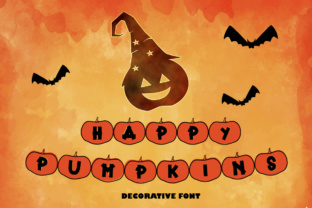
Seasonal themes offer marketers, creators, and business owners a natural rhythm for fresh content and renewed customer interest. Among these, fall imagery and harvest motifs consistently resonate. Happy Pumpkins represents more than a seasonal decoration or a playful graphic. When approached thoughtfully, it becomes a strategic asset for positioning, communication, and long-term brand recall. Understanding how to use such a theme intentionally, rather than as a random seasonal placeholder, can make the difference between a forgettable campaign and one that strengthens your relationship with your audience.
This article explores what Happy Pumpkins offers as a concept, how to integrate it into your planning and operations, and what to consider before making it part of your strategy. The goal is to help you decide not just whether to use it, but how to use it well.
What Happy Pumpkins Means in a Strategic Context
At first glance, Happy Pumpkins may appear as a simple seasonal motif. However, its strategic value lies in its associations: harvest, abundance, warmth, community, and transition. These are not trivial themes. They align with several core business objectives, including building emotional connection, signaling approachability, and creating timely relevance.
For entrepreneurs and small business owners, Happy Pumpkins can serve as a brand anchor during the autumn months. Instead of chasing every seasonal trend, you can develop a consistent visual and tonal language around this theme. Over time, your audience comes to associate the fall season with your brand, increasing recall and anticipation.
For educators and creators, the concept offers a framework for content series, workshops, or product launches that feel cohesive rather than scattered. A Happy Pumpkins theme can unify blog posts, social media content, email campaigns, and even physical products under one meaningful umbrella.
Why Thoughtful Use Matters More Than Seasonal Timing
Many businesses make the mistake of using seasonal themes superficially. They insert a pumpkin graphic into an email header, change their social media cover photo, and call it a campaign. This approach rarely delivers lasting results. The difference comes when you ask: What does this theme enable for my audience? How does it support my goals?
Happy Pumpkins, used thoughtfully, can support several strategic areas:
- Positioning: A warm, harvest-oriented theme positions your brand as approachable and community-focused.
- Communication: Seasonal content gives you a reason to reach out without being intrusive.
- Creativity: A constrained theme forces creative problem-solving, leading to more original output.
- Productivity: A seasonal planning framework reduces decision fatigue by providing a clear focus for a defined period.
- Customer experience: Thoughtful seasonal touches make customers feel seen and valued.
Each of these areas benefits from intentional design, not random decoration. When you align Happy Pumpkins with a specific goal, you move from decoration to strategy.
Practical Example: A Small Retail Business
Consider a small online boutique that sells home goods. Without a seasonal theme, their October content might be a mix of product promotions, generic fall quotes, and last-minute posts. With a Happy Pumpkins framework, they can create a curated collection of pumpkin-themed products, share behind-the-scenes stories about autumn traditions, and offer a downloadable guide on creating a cozy home. Each piece of content reinforces the same emotional territory, building a coherent narrative that customers remember.
When to Use Happy Pumpkins and When to Pause
Seasonal themes have a natural lifecycle. The key is to match the intensity of your use with your audience's expectations and your own operational capacity. Using Happy Pumpkins too early, before the fall season feels relevant, can seem out of touch. Using it too late, after the season has passed, can feel like a missed opportunity.
The optimal window typically begins in late September and extends through November. However, the exact timing depends on your industry, geographic location, and audience behavior. For example, a pumpkin patch or farm stand might begin in early September, while a professional services firm might wait until mid-October to introduce the theme subtly.
There are also times when a seasonal theme is not appropriate. If your brand is experiencing a serious event, such as a product recall, layoff, or community crisis, proceeding with a lighthearted theme can appear insensitive. In such cases, it is better to pause and recalibrate. Strategic use of Happy Pumpkins means knowing when not to use it.
How to Approach Happy Pumpkins as a Planning Tool
Integrating a seasonal theme into your planning begins with asking the right questions. Rather than starting with the visual element, start with your objectives. What do you want to achieve during the fall months? Is it increased email engagement, higher social media interaction, product sales, brand awareness, or community building?
Once you have your goal, map the Happy Pumpkins theme to that goal. For example:
- If your goal is engagement, create interactive content such as polls, quizzes, or user-generated content challenges around the theme.
- If your goal is sales, develop a limited-time product line or bundle that ties into harvest or abundance ideas.
- If your goal is brand building, produce evergreen content that uses the theme as a metaphor for your brand values, such as growth, patience, or transformation.
Planning ahead also means preparing your assets in advance. Design templates, write copy drafts, and schedule content so that execution is smooth. A common mistake is rushing seasonal content, which often leads to inconsistencies in tone, quality, and messaging. Treat Happy Pumpkins as a mini-campaign, not an afterthought.
Strategic Observations for Different Audiences
The same theme can be adapted to very different audiences. For educators, Happy Pumpkins can become a metaphor for learning cycles, growth, and harvest of knowledge. For freelancers and creators, it can represent the fruits of a year's labor and the transition into a reflective season. For entrepreneurs and marketers, the theme can align with end-of-year planning, gratitude toward customers, and preparation for the coming year.
The key is to avoid assuming that one approach fits all. A B2B technology firm would use Happy Pumpkins very differently from a children's book author. The technology firm might use the theme in a subtle way, focusing on the concept of harvest as a metaphor for long-term investment and results. The children's author might create a full series of pumpkin-themed storytime videos. Both can be effective when aligned with their respective audiences and objectives.
What to Consider Before Relying on a Seasonal Theme
While seasonal themes like Happy Pumpkins offer clear benefits, they also carry risks. The most common risk is lack of authenticity. If your audience does not associate your brand with seasonal warmth, a sudden shift can feel forced. This is especially true for brands that have built their identity around professionalism, minimalism, or authority. Introducing a playful theme without context can confuse your audience and dilute your positioning.
Another risk is over-reliance on one theme. If you use Happy Pumpkins across every channel without variation, your content can become repetitive. Audiences may tune out if they see the same imagery and messaging repeatedly. To avoid this, plan for variety within the theme. Use different angles, formats, and tones so that each piece of content feels distinct while remaining connected.
There is also the risk of missing the deeper value. A superficial approach to seasonal content often yields superficial results. If you only scratch the surface, you may see a short-term bump in engagement but little long-term benefit. To capture lasting value, invest in creating content that teaches, inspires, or solves a problem, while using the theme as a vehicle rather than the destination.
Decision-Making Guidance for Business Owners
If you are considering whether to adopt Happy Pumpkins as part of your seasonal strategy, ask yourself these questions:
- Does this theme align with my brand's existing tone and values?
- Can I commit to a consistent content plan for the duration of the season?
- Do I have the resources to create quality content that goes beyond decoration?
- Will my audience find this theme relevant and valuable?
- How will I measure the impact of using this theme?
If you answer yes to most of these, you are likely in a good position to proceed. If you are unsure, consider a smaller test. Use the theme on one channel or in one campaign and observe the response. This reduces risk while giving you real data to inform future decisions.
Long-Term Value of Intentional Seasonal Branding
When used consistently over multiple years, a seasonal theme like Happy Pumpkins can become part of your brand's identity. Customers begin to expect it, look forward to it, and engage more deeply because they trust that you will deliver something meaningful. This predictability, when paired with high-quality content, builds brand equity over time.
Consider how some of the most successful brands have turned seasonal moments into annual traditions. A coffee chain's pumpkin spice latte is not just a drink; it is a cultural signal that fall has arrived. While your brand may not have the scale of a national chain, the principle applies. A well-executed seasonal theme creates a shared moment between your brand and your audience.
Over time, that shared moment becomes a point of connection that transcends any single transaction. It fosters loyalty, word-of-mouth referrals, and a sense of community. These outcomes are not the result of a single post or product. They are the result of intentional, repeated, and thoughtful use of a theme that resonates.
Grounding Your Approach in Realistic Use Cases
To make Happy Pumpkins work for you, start small and scale with experience. A realistic use case might be a freelance graphic designer who creates a limited set of pumpkin-themed templates for clients. The templates serve a practical need, showcase seasonal relevance, and open conversations about other design projects. The designer does not need to overhaul their entire brand. A focused, well-executed offering is enough.
Another realistic example is a professional blogger who writes a series of posts on fall productivity, using the harvest metaphor to discuss prioritization and focus. The theme is subtle but consistent. The blogger does not force pumpkins into every sentence, but the visual and tonal cues tie the series together. Readers who appreciate the theme return for more, and the blogger builds a loyal segment of seasonal readers.
A small business owner with a physical store might create a Happy Pumpkins display that invites customers to take photos and share them online. This low-cost tactic generates user-generated content, increases foot traffic, and creates a positive in-store experience. The key is to make the activation easy, fun, and shareable without requiring a large budget.
In each of these cases, the theme serves a clear purpose. It is not decoration for its own sake. It is a tool for achieving a specific outcome, whether that is engagement, sales, community building, or brand reinforcement.
Making Happy Pumpkins Work for You
The decision to use a seasonal theme ultimately comes down to intention. If you approach Happy Pumpkins with a clear goal, a realistic plan, and a commitment to quality, it can be a valuable part of your strategic toolkit. If you use it without thought, it becomes noise.
Begin by defining what you want to achieve. Then design your content, products, and interactions to serve that goal. Measure your results, learn from them, and refine your approach for the next season. Over time, you will develop a rhythm that feels natural to you and your audience.
Seasonal themes come and go. But the brands that use them well understand that the real value is not in the pumpkin itself. It is in the connection the pumpkin helps create. Use that insight as your guide, and you will find that Happy Pumpkins is not just a seasonal image. It is a strategic opportunity.