Understanding Mikaela Script: A Comprehensive Guide to Its Purpose, Style, and Modern Applications
In a world where digital communication often prioritizes speed over substance, the art of thoughtful writing has found new ways to reemerge. Among the growing interest in personalized typography and hand-lettering, Mikaela Script has quietly gained attention as a versatile and expressive writing style. But what exactly is this script, and why does it matter beyond the realm of calligraphy enthusiasts? This article explores the origins, core characteristics, practical uses, and broader significance of Mikaela Script, offering a grounded understanding for anyone curious about its place in modern life, work, and creativity.
What Is Mikaela Script?
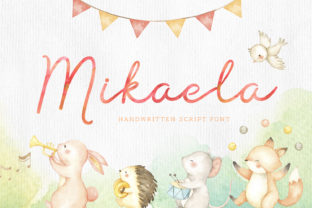
At its simplest, Mikaela Script is a cursive or semi-cursive handwriting style that blends the fluidity of traditional calligraphy with the readability demanded by contemporary design. Unlike rigid, purely ornamental scripts, Mikaela Script prioritizes natural, flowing strokes that feel both personal and professional. It draws inspiration from classic copperplate and Spencerian styles but adapts them for everyday use, making it suitable for everything from wedding invitations to digital branding.
The term "script" here refers not to a computer font alone, but to a broader writing methodology—a way of forming letters that emphasizes rhythm, slant, and consistent spacing. Mikaela Script, in particular, is known for its gentle loops, balanced proportions, and a slight rightward tilt that gives it a forward-moving, energetic feel. For many, it strikes a balance between elegance and approachability, which is why it has found a home in both personal projects and commercial applications.
The Origins and Inspiration Behind Mikaela Script
To understand Mikaela Script, it helps to trace its roots. The style emerged from a desire to make calligraphic techniques more accessible to non-specialists. While traditional copperplate requires years of practice to master, Mikaela Script simplifies certain flourishes without sacrificing beauty. Its name, often associated with the idea of "gift from God" in some cultures, reflects a sense of intentionality and care that the script aims to embody.
Importantly, Mikaela Script is not a single fixed alphabet. Rather, it encourages variation—individual writers can adapt its basic forms to their natural hand. This flexibility is part of its appeal: it invites personal expression while providing a clear structure. In this way, it sits at the intersection of art and function, much like the Italic hand or the modern brush lettering style.
In recent years, the script has been digitized by several type designers, appearing in commercial font libraries. However, its true value lies in the act of writing itself. As many practitioners note, using Mikaela Script by hand can improve focus, creativity, and even mood—benefits that align with the growing interest in mindful practices like journaling and slow living.
Key Characteristics of the Mikaela Script Style
What sets Mikaela Script apart from other cursive styles? Let’s break down its defining features:
- Consistent slant: Letters typically lean to the right at a uniform angle, usually between 50 and 55 degrees. This creates a cohesive rhythm across words and sentences.
- Open loops: Ascenders (like the stem of "h" or "l") and descenders (like the tail of "g" or "y") use wide, rounded loops rather than tight curls, enhancing readability.
- Moderate flourishes: Unlike ornate scripts that use dramatic swashes, Mikaela Script keeps embellishments restrained—a small loop on a capital "S" or a subtle tail on a final "e" are typical.
- Balanced proportions: The x-height (the height of lowercase letters like "a" and "x") is relatively generous, making the script legible even at small sizes.
- Natural stroke variation: Thick and thin lines occur naturally through pen pressure, with downward strokes heavier and upward strokes lighter. This gives the writing a dynamic, three-dimensional quality.
These characteristics make Mikaela Script recognizable yet adaptable. It can be written with a fountain pen, a brush pen, or even a digital stylus, and the core principles remain the same.
Why Mikaela Script Matters in Modern Life
At first glance, a niche handwriting style might seem like a niche interest. But Mikaela Script has relevance far beyond calligraphy circles. Here are several ways it fits into modern life, work, and creativity:
In Education and Learning
Research continues to show that handwriting—especially cursive—supports cognitive development, memory retention, and fine motor skills. Mikaela Script, with its structured yet flexible forms, offers an excellent middle ground for students who want to develop legible, efficient handwriting without the frustration of overly rigid drills. Teachers who introduce it often report that students feel a sense of ownership over their writing, which can boost engagement in other subjects.
In Business and Branding
For entrepreneurs and small business owners, a personal script can become a visual signature. Marketing materials, thank-you notes, or social media graphics that incorporate Mikaela Script convey warmth and authenticity—qualities that algorithms and consumers increasingly value. Because the script is both professional and personal, it works well for industries like hospitality, wellness, creative services, and artisan products.
In Creative and Therapeutic Practice
Many people turn to Mikaela Script as a form of creative expression or stress relief. The repetitive, flowing motions of lettering can induce a meditative state, similar to adult coloring or knitting. Artists often use the script to add handwritten elements to mixed-media pieces, while journal keepers find that writing in this style helps them slow down and reflect more deeply.
In Digital Communication
Even in a screen-dominated world, Mikaela Script has found a digital home. Custom fonts based on the script are used in websites, email signatures, and video titles. Meanwhile, apps like Procreate and Adobe Fresco allow users to practice the script digitally, making it accessible to those who may not own specialized pens or paper. This hybrid use—physical and digital—speaks to the script's adaptability.
Common Misunderstandings About Mikaela Script
As with any specialized topic, myths and misconceptions can create barriers. Let’s clarify a few:
- “It’s only for experts.” While mastery takes time, the basic forms of Mikaela Script are designed to be learnable. Many beginners pick it up with consistent practice over a few weeks.
- “It’s the same as any cursive.” Not exactly. Standard cursive taught in schools often emphasizes speed over shape, leading to inconsistent forms. Mikaela Script prioritizes deliberate, consistent construction, which actually helps writers become faster in the long run.
- “You need special tools.” While fountain pens or brush pens can enhance the experience, any writing instrument—including a ballpoint pen—can produce recognizable Mikaela Script if the fundamentals are followed.
- “It’s outdated.” On the contrary, the script’s resurgence in digital and print media shows that it meets a contemporary need for authenticity and tactile quality that mass-produced fonts cannot replicate.
How to Start Practicing Mikaela Script
If you’re intrigued and want to try it for yourself, here is a practical pathway to get started:
- Gather basic materials: A lined guide sheet (often with a 55-degree slant grid), a fountain pen or a fine-tip marker, and smooth paper. You can find free printable guides online or create your own.
- Learn the basic strokes: Practice the building blocks—entrance strokes, loop strokes, and exit strokes—before attempting full letters. This builds muscle memory.
- Write lowercase letters first: Focus on one letter at a time. Pay attention to the slant, spacing, and loop size. Compare your forms to reference examples.
- Move to uppercase letters and words: Once lowercase feels comfortable, practice capitals and then short words. Pay attention to the spacing between letters (kerning) and the overall rhythm.
- Practice consistently: Even 10 minutes a day can yield noticeable improvement. Use practice prompts like quotes, gratitude lists, or to-do lists to make it functional.
- Seek feedback and resources: Join online communities, watch tutorial videos, or take a local workshop. Learning from others can accelerate your progress and keep you motivated.
Integrating Mikaela Script into Daily Activities
One of the most rewarding aspects of learning Mikaela Script is finding ways to incorporate it into everyday life. Here are some ideas:
- Personal journaling: Write your daily reflections or bullet journal headers in the script to add a ritualistic quality.
- Gift tags and cards: Hand-letter a friend’s name or a short message. It shows care and effort beyond store-bought alternatives.
- Task lists and planners: Use the script to write priorities or weekly goals. The act of writing slowly can help clarify your intentions.
- Signatures and notes: Upgrade your everyday signature or write a quick note to a colleague with a personal touch.
Conclusion: The Ongoing Relevance of a Handwritten Script
Mikaela Script may have started as a niche style, but its appeal reaches far beyond the calligraphy enthusiast. In a time when digital text dominates, the deliberate, flowing nature of this script offers a counterbalance—a way to slow down, express individuality, and create something that bears the mark of human intention. Whether you are a student looking to improve your handwriting, a business owner seeking a distinctive brand voice, or someone wanting a new creative outlet, understanding and practicing Mikaela Script can open doors to richer, more intentional communication.
By exploring its characteristics, clearing up common misconceptions, and applying it in practical ways, you can make this script a meaningful part of your modern life. And as you do, you may find that the real gift of Mikaela Script is not just the letters it produces, but the process of writing them.