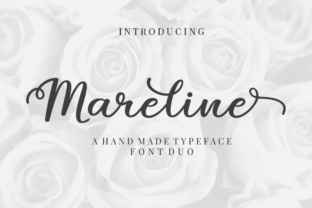
Mareline Duo: Redefining Efficiency in Modern Creative and Professional Workflows
In an era where versatility is often the difference between stagnation and growth, professionals across industries are seeking tools that can adapt to multiple demands without sacrificing depth or quality. Enter Mareline Duo, a concept that has quietly begun reshaping how individuals and teams approach their daily workflows. Whether you are a content creator juggling platforms, a marketer balancing strategy with execution, or a freelancer managing client expectations across time zones, Mareline Duo offers a framework that feels both timely and necessary.
At its core, Mareline Duo is built around the idea of dual-purpose functionality. It acknowledges that modern work rarely fits neatly into a single category. Instead, it requires fluid movement between roles, tools, and modes of thinking. By bridging two distinct but complementary capabilities, Mareline Duo allows users to reduce context switching, streamline decision-making, and focus more energy on the work that actually matters.
This article explores what Mareline Duo is, why it is gaining traction, how it fits into current trends in work and creativity, and what practical implications it holds for anyone who wants to work smarter in an increasingly demanding world.
What Makes Mareline Duo Relevant Right Now
The past few years have accelerated a shift in how people work. Remote and hybrid arrangements have become the norm for many, and the boundaries between professional and personal life have blurred. In this environment, efficiency is no longer just about speed. It is about adaptability and coherence. Professionals need tools and systems that can keep up with fragmented schedules, varied tasks, and shifting priorities.
Mareline Duo responds to this need by offering a unified approach. Instead of forcing users to toggle between separate platforms or methodologies, it combines two essential functions into one cohesive experience. This is not about doing two things at once in a superficial way. It is about enabling a natural flow between two related activities that often depend on each other.
Consider a freelance graphic designer who also writes copy for their clients. Traditionally, they might switch between a design tool and a text editor, losing momentum and focus with each transition. With a setup inspired by Mareline Duo, the designer can move seamlessly between visual creation and written communication within the same environment, reducing friction and preserving creative energy. This kind of integration is exactly what modern professionals are looking for.
The relevance of Mareline Duo also extends to teams. In collaborative settings, misalignment often arises from using disconnected tools. When a team adopts a Mareline Duo approach, they gain a shared understanding that reduces the need for excessive meetings, lengthy email threads, or redundant documentation. The result is a leaner, more responsive way of working.
How Mareline Duo Fits into Broader Trends
Several macro trends make the emergence of Mareline Duo particularly compelling. First is the growing demand for all-in-one solutions. Users are tired of subscribing to a dozen different services, each with its own login, interface, and learning curve. They want consolidation without compromise. Mareline Duo aligns with this preference by offering dual capabilities that cover a wider range of needs without diluting the quality of either function.
Second is the rise of the creator economy. From bloggers and marketers to educators and hobbyists, more people are building careers around content and digital products. These individuals often wear multiple hats and must produce work that is both visually engaging and substantively strong. Mareline Duo supports this reality by bridging the gap between ideation and execution, or between design and delivery.
Third is the shift toward outcome-based productivity. Rather than measuring success by hours worked or tasks completed, professionals are increasingly focusing on the impact of their efforts. Mareline Duo helps by removing unnecessary steps, so users can move from intention to output more directly.
Finally, there is a cultural shift toward intentional simplicity. People are pushing back against complexity for complexity’s sake. They want tools that respect their time and cognitive load. Mareline Duo embodies this philosophy by offering a streamlined experience that does not force users to learn unnecessary features or navigate bloated interfaces.
The Evolution Behind the Need for Dual-Purpose Tools
To understand why Mareline Duo matters now, it helps to look at how work tools have evolved over the past two decades. Early digital tools were designed for single purposes. A word processor did one thing well. A design tool did another. As the internet matured, these tools became more powerful but also more isolated. Users had to export, import, convert, and sync constantly.
Around the mid-2010s, integration started to become a priority. Platforms began offering APIs and plugins, but the experience was often clunky. Users still had to jump between interfaces. The promise of seamless integration remained largely unfulfilled.
Mareline Duo represents a more intentional approach to integration. Instead of layering features on top of a single core function, it starts with the premise that two related functions belong together from the ground up. This change in design philosophy is subtle but significant. It means that the user experience is coherent rather than patched together.
This evolution also reflects a broader understanding of how people actually work. Research in cognitive science suggests that context switching carries a high mental cost. Each time a person shifts from one task to another, they lose focus and require time to reorient. By reducing the need to switch between tools, Mareline Duo directly addresses this productivity drain.
Furthermore, the modern professional is more aware than ever of the importance of workflow design. Terms like deep work, flow state, and task batching have entered the mainstream vocabulary. People are actively looking for ways to protect their attention. Mareline Duo fits naturally into this mindset by creating an environment where transitions feel intuitive rather than jarring.
Practical Implications for Users, Creators, and Professionals
What does Mareline Duo mean for you in practical terms? The answer depends on your field, but a few universal benefits are worth considering.
Reduced Friction in Daily Tasks
For anyone who regularly moves between two related activities, Mareline Duo can save significant time and mental energy. Imagine a marketer who needs to draft campaign copy and then visualize it in a mockup. Instead of writing in one tool, taking screenshots, pasting into another tool, and adjusting formatting, a Mareline Duo approach lets them stay in a single environment where both tasks are connected. The result is a smoother workflow and fewer opportunities for error.
Better Alignment Between Planning and Execution
Many professionals struggle with the gap between planning and doing. They outline ideas in one place and execute them in another. Mareline Duo bridges this gap by allowing users to keep their plans visible while they work. This might mean having a note-taking area alongside a creation canvas, or a task list integrated with a content editor. The constant visual reminder of what needs to be done helps maintain focus and direction.
Enhanced Collaboration Without Overhead
In team settings, Mareline Duo can reduce the need for status updates and handoffs. When team members use a shared environment that combines two key functions, everyone stays on the same page. A designer can see the writer’s notes directly. A project manager can track progress without requesting separate reports. This transparency reduces friction and builds trust.
Lower Learning Curves and Fewer Tools to Manage
Every new tool adds cognitive load. By choosing a solution based on Mareline Duo, users can replace two separate tools with one. This means fewer passwords, fewer interfaces to learn, and fewer updates to track. For freelancers and small business owners who may not have dedicated IT support, this simplicity is especially valuable.
Realistic Examples of Mareline Duo in Action
Let’s look at a few scenarios where Mareline Duo makes a tangible difference.
Example one: A blogger and educator. You write long-form articles and then need to create accompanying visuals or slides for a course. Instead of drafting in a text editor and then recreating content in a presentation tool, you use a Mareline Duo system that lets you write and design in the same workspace. You can drag text into visual blocks, adjust layouts, and export both formats without rework.
Example two: A business owner managing operations and marketing. You track inventory or client data in one place and create promotional content in another. With Mareline Duo, these two functions can live side by side. You pull real-time data directly into your marketing materials, ensuring accuracy and saving time.
Example three: A freelance photographer who also writes blogs. You edit images and write accompanying blog posts. Traditionally, you would edit in one application, export, then write in another. With Mareline Duo, you can keep your editing workspace and your writing space connected, pulling images directly into your drafts and adjusting both in tandem.
These examples are not hypothetical. They reflect real patterns of work that many professionals experience daily. The value of Mareline Duo lies in its ability to make these patterns feel less like juggling and more like a natural rhythm.
Observations and Recommendations for Adopting a Mareline Duo Mindset
Adopting Mareline Duo does not necessarily mean switching to a specific product. It is also a mindset. Here are a few recommendations for integrating this approach into your own work.
- Identify your most common pairing. What two tasks do you switch between most often? It might be writing and editing, designing and presenting, planning and executing, or researching and creating. Start there.
- Look for tools that combine those functions naturally. Not every all-in-one tool is well designed. Look for solutions where the two functions are truly integrated, not just placed side by side. The integration should feel seamless, not forced.
- Be willing to let go of separate tools. It can be hard to abandon a favorite tool that serves one function well. But if you can find a Mareline Duo solution that covers both needs adequately, the reduction in friction may outweigh the loss of a specialized feature.
- Optimize your workspace for flow. Once you adopt a dual-purpose tool, arrange your workspace to minimize distractions. Keep the secondary function accessible but not dominant. Let your primary task lead the experience.
- Iterate based on your actual usage. No tool will be perfect from day one. Pay attention to where you still feel friction and adjust accordingly. The goal is not perfection but continuous improvement in how you move between tasks.
For professionals and creators who are tired of juggling multiple platforms and seeking a more coherent workflow, Mareline Duo offers a practical path forward. It respects the complexity of modern work while aiming to simplify the experience. By focusing on the most common pairings of tasks and reducing the cognitive cost of switching, it helps users spend less time managing their tools and more time producing meaningful work.
In a world where attention is a finite and precious resource, any approach that protects it deserves serious consideration. Mareline Duo is not a magic solution, but it is a thoughtful one. It recognizes that the best tools are not those that do everything, but those that do the right two things exceptionally well together.
Looking Ahead Without Overpromising
As work continues to evolve, the demand for smarter integrations will only grow. Mareline Duo is well positioned to meet this demand because it is grounded in a real understanding of how people actually work. It does not claim to replace every tool or solve every problem. Instead, it focuses on the specific pain point of context switching between two related activities. That focus is what makes it credible and useful.
For those who are ready to rethink their workflows, Mareline Duo is worth exploring. Whether you are a blogger refining your process, a marketer aligning strategy with execution, or a freelancer managing multiple client needs, the principle of pairing complementary functions in a single environment can lead to noticeable gains in both efficiency and satisfaction.
The future of work is not about doing more. It is about doing what matters with less friction. Mareline Duo is a step in that direction.