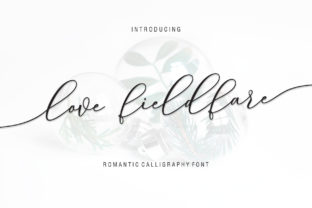
Love Fieldfare: A Practical Resource for Creators and Small Business Owners
If you spend any time looking for tools, templates, or communities that actually respect your time and energy, you have probably run into the same frustration. So many platforms promise to simplify your workflow or help you grow, but they end up adding more noise. That is where Love Fieldfare enters the picture. It is not another flashy dashboard or a hype-driven marketplace. Instead, it feels like a quiet, well-organized corner of the internet built for people who are serious about making things that matter.
Love Fieldfare is best described as a curated ecosystem for creators, entrepreneurs, educators, and freelancers who want to blend practicality with genuine expression. Think of it as a resource hub, a community space, and a collection of tools all rolled into one. But the key difference is that it prioritizes intention over volume. Whether you are designing a digital product, launching a small course, or simply trying to stay organized without losing your creative spark, Love Fieldfare offers a framework that feels manageable rather than overwhelming.
Where and When People Use Love Fieldfare
The beauty of Love Fieldfare is that it fits into real life, not just theoretical workflows. People reach for it during specific moments in their work or creative cycles. For example, a freelance graphic designer might open Love Fieldfare when they need a fresh batch of project brief templates that don’t feel corporate and stiff. A small business owner running an online shop might turn to it on a Sunday afternoon when they are mapping out content for the next month. It is not the kind of tool you check every hour. It is the kind you visit when you need clarity, direction, or a nudge toward something more authentic.
Many users find Love Fieldfare most useful during transitional periods. That might be the start of a new season, the launch of a new product line, or even a personal reinvention after a career pivot. Because the platform emphasizes real-world application over abstract theory, it resonates with people who are tired of advice that sounds good in a blog post but falls apart in practice.
Location rarely matters with Love Fieldfare since it is primarily digital, but its tone and approach feel especially relevant for those working from home studios, coffee shops, co-working spaces, or even while traveling. It does not assume you have a dedicated office or a large team. It assumes you have a project, a goal, and a willingness to do the work.
For Freelancers and Solopreneurs
Freelancers often juggle multiple roles: marketer, accountant, designer, customer support. Love Fieldfare helps them streamline without sacrificing personality. For instance, a freelance copywriter might use the platform to find templates for client proposals that feel warm and professional rather than boilerplate. The same writer could also access conversation guides for setting boundaries around scope creep. The tone of these resources is straightforward and grounded, making it easier to adapt them to real client conversations. Instead of spending hours creating systems from scratch, freelancers can borrow and customize what already works.
For Educators and Hobbyists
Teachers, workshop leaders, and hobbyists often struggle to translate their passion into structured learning experiences. Love Fieldfare offers lightweight frameworks for course outlines, lesson plans, and community guidelines that are flexible enough for different subjects. A hobbyist who wants to teach a weekend photography class could use Love Fieldfare to design a simple curriculum without overcomplicating the content. The focus stays on the learner’s experience rather than on rigid academic formats. Educators who have used the platform say it helps them maintain their natural teaching voice while still covering all the practical bases.
For Bloggers and Content Creators
Content creators are constantly balancing authenticity with consistency. Love Fieldfare provides editorial planning tools, content audit checklists, and audience connection prompts that feel like a conversation with a thoughtful colleague rather than a textbook. A blogger covering sustainable living might use Love Fieldfare to map out a series of posts that flow naturally from one topic to the next, avoiding the random scatter of ideas that can dilute a channel. The platform encourages creators to think about what their audience actually needs, not just what performs well algorithmically. That shift in mindset often leads to more meaningful engagement and less burnout.
How Different Users Benefit in Different Situations
New users often come to Love Fieldfare looking for structure, but they stay because of the community. The platform includes discussion spaces where people share their actual results: what worked, what flopped, and what they changed. For a marketer navigating a product launch, these peer insights can be more valuable than generic case studies. For a small business owner testing a new pricing model, hearing how others handled similar decisions reduces the guesswork.
Another group that benefits significantly are those who feel stuck between being too commercial and too casual. Love Fieldfare helps them find a middle ground. A wedding photographer, for example, might want to create a client guide that feels luxurious but also personal. Using Love Fieldfare’s resource packs, they can combine polished design templates with language that reflects their actual personality. The result is a guide that stands out without feeling forced.
Even users who are not trying to grow a business or audience find value. Some people simply use Love Fieldfare to organize their personal projects, like writing a family history, building a garden journal, or curating a playlist collection. The platform does not gatekeep based on commercial intent. If you have something you care about, Love Fieldfare offers a way to approach it with more clarity and less friction.
What to Consider Before Diving In
Love Fieldfare is not for everyone. If you are looking for a quick-fix automation tool or a platform that does all the thinking for you, this is probably not the right fit. The strength of Love Fieldfare lies in its emphasis on thoughtful application. You bring the context, and it provides the scaffolding. That means you need to be willing to invest a little time in understanding how the resources apply to your specific situation. It rewards reflection and adaptation.
Another consideration is the learning curve. The interface is clean and intuitive, but the real value comes from integrating the materials into your existing routines. Users who rush through everything tend to get less out of it. Those who treat it as a companion rather than a shortcut see the most lasting benefits. If you are someone who enjoys tweaking systems and making them your own, you will probably love the flexibility. If you prefer turnkey solutions that require zero thought, you might find it frustrating.
Pricing is another factor to check. Love Fieldfare operates on a subscription model that gives access to new content regularly. For users who only need a few templates or guides, the cost might feel high compared to one-off purchases. But for those who use it as an ongoing resource across multiple projects, the value tends to be much higher. A good approach is to start with a free trial or a low-tier plan and see how often you actually reach for it before committing further.
Connecting Features to Real Outcomes
The features of Love Fieldfare are designed around real outcomes, not just bells and whistles. The template library, for example, is not a massive dump of random files. Each template includes context about why it was built, what problem it solves, and how to adapt it across different industries. The community forums are moderated to avoid noise, so you spend time reading actionable insights rather than scrolling through complaints or spam.
One feature that users frequently mention is the project mapping tool. It helps you break down a big idea into smaller pieces without losing sight of the overall vision. A podcaster launching a new series could use it to outline episodes, set deadlines, and track sponsorships in one place. That kind of clarity reduces the mental load of juggling everything in your head. Another useful feature is the reflection journal, which prompts you to note what you learned after finishing a project. Over time, these notes become a personalized guide for future work.
Even small touches, like the tone of the instructions or the choice of real-world examples, contribute to a sense of trust. Love Fieldfare does not claim to revolutionize your entire workflow overnight. It simply helps you do what you already want to do, only with less friction and more intention. For creators, educators, freelancers, and small business owners navigating a noisy digital landscape, that kind of practical support is rare and valuable.