Foxglove Script: Redefining Expressive Typography for Modern Branding
Typography has always been a silent partner in communication. It shapes perception, guides attention, and conveys personality long before a single word is read. In recent years, the demand for authentic, human-centered design has pushed brands away from sterile, mechanical typefaces toward something more organic. Enter Foxglove Script, a typeface that is quietly reshaping how professionals approach visual identity in an increasingly digital world.
Understanding what Foxglove Script is and why it matters requires looking beyond its aesthetic appeal. This is not merely another decorative font. It is a response to broader shifts in how audiences consume content, how brands differentiate themselves, and how creators balance efficiency with emotional resonance.
What Foxglove Script Actually Is
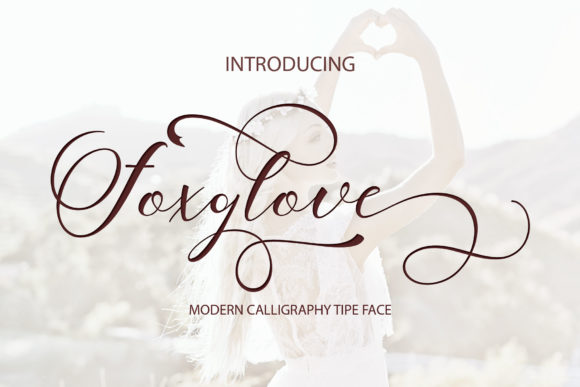
Foxglove Script is a modern script typeface designed to bridge the gap between handcrafted warmth and digital precision. Unlike traditional scripts that often feel either overly formal or casually messy, Foxglove Script occupies a deliberate middle ground. It carries the fluidity of brush lettering but with the structural discipline needed for readability across platforms.
The typeface is characterized by gentle slant, varied stroke weights, and subtle ligatures that mimic natural handwriting without sacrificing consistency. It works across print, web, and mobile interfaces, making it a practical choice for brands that want to inject personality without compromising usability.
What sets Foxglove Script apart is not just its visual design but its underlying philosophy. It was developed with the understanding that audiences today are trained to detect inauthenticity. A script that looks too perfect feels fabricated. One that looks too loose feels unprofessional. Foxglove Script navigates this tension by offering controlled spontaneity, a balance that resonates with both designers and end users.
Why Foxglove Script Matters Now
The timing of Foxglove Script's relevance is no accident. Several converging trends in business, technology, and consumer behavior have created an environment where this type of typography is not just appreciated but expected.
The Shift Toward Authentic Branding
For years, corporate branding favored uniformity. Sans-serif typefaces like Helvetica and Arial dominated because they communicated neutrality and reliability. But as markets became saturated and consumer attention spans shortened, brands realized that blending in was no longer a viable strategy. Differentiation became critical.
Foxglove Script answers this need. It allows brands to signal craftsmanship, care, and human touch without resorting to gimmicks. A logo, headline, or call-to-action set in Foxglove Script carries an implicit message: this brand is thoughtful, approachable, and confident enough to be personal.
This aligns with a larger cultural shift toward artisanal values in everything from coffee to software. Consumers increasingly prefer brands that feel made rather than manufactured. Foxglove Script, with its hand-drawn quality, becomes a visual shorthand for that ethos.
The Rise of Content Marketing and Visual Storytelling
Content marketing has moved beyond text blocks and stock photos. Today, every asset is expected to tell a story. Whether it is a social media graphic, a landing page header, or an email newsletter, the visual presentation carries as much weight as the words themselves.
Foxglove Script provides content creators with a tool that adds narrative texture instantly. A quote set in Foxglove Script feels more intimate. A product name set in it feels more distinctive. A headline set in it feels more human. For marketers who are constantly fighting for attention in crowded feeds, this emotional layer is invaluable.
Freelancers and small business owners, in particular, have adopted Foxglove Script because it allows them to produce professional-grade visual content without hiring a designer for every asset. When used sparingly and strategically, it elevates even simple layouts into something memorable.
Changing Expectations Around Digital Design
Web and app design have undergone a quiet revolution. The early 2010s obsession with minimalism and flat design gave way to a richer, more tactile aesthetic. Shadows, gradients, and organic shapes returned. Typography became more expressive. Users began to expect digital experiences that felt as engaging as physical ones.
Foxglove Script fits naturally into this new paradigm. It works beautifully as an accent typeface for hero sections, testimonials, badges, and call-to-action buttons. It adds warmth to otherwise clean interfaces without breaking usability. Designers have found that even a single word in Foxglove Script can change the emotional temperature of a page.
This is particularly relevant as voice interfaces and AI-generated content become more common. When machines generate text, the visual layer becomes the primary vehicle for personality. Foxglove Script provides a way to inject that personality at the typographic level, making digital interactions feel less robotic and more human.
Practical Applications Across Professions
Understanding what Foxglove Script is good for in practice helps clarify its value. Different professionals use it in different ways, and observing these use cases reveals the typeface's versatility.
For Entrepreneurs and Small Business Owners
Branding on a budget is a real challenge. A full visual identity system can cost thousands, and many entrepreneurs cannot justify that expense early on. Foxglove Script offers a shortcut to a polished look. By using it consistently across a logo, website headers, and social media graphics, a business can achieve a cohesive aesthetic without needing a custom typeface.
A local bakery, for example, might use Foxglove Script for its name on packaging, store signage, and Instagram posts. The typeface communicates warmth and artisanal quality instantly. A freelance photographer might use it for watermarking and portfolio titles, signaling creativity and professionalism simultaneously.
For Marketers and Content Creators
In digital advertising, first impressions are measured in milliseconds. Marketers have found that headlines in Foxglove Script can increase engagement metrics simply because they stop the scroll. The human brain is wired to notice irregularities, and the organic curves of a script typeface stand out against the uniformity of standard web fonts.
Email marketers use Foxglove Script in subject lines or preheader text to add personality. Social media managers use it in quote cards and announcements to create a distinctive feed aesthetic. The key is restraint: using it for emphasis rather than body text, letting it function as a visual exclamation point rather than a paragraph.
For Designers and Creative Professionals
For designers, Foxglove Script expands the toolkit. It pairs well with clean sans-serif typefaces, creating contrast that guides the eye. It works in logos, packaging, editorial layouts, and digital interfaces. Its readability at various sizes makes it practical for everything from billboards to mobile screens.
Designers also appreciate the technical quality of Foxglove Script. Proper kerning, well-crafted ligatures, and support for multiple languages make it reliable in professional workflows. It works across design software and web platforms, reducing friction when translating a concept from mockup to production.
The Broader Context: Typography as Strategy
Foxglove Script is part of a larger conversation about the role of typography in business strategy. Type is no longer an afterthought chosen from a dropdown menu. It is a deliberate component of brand architecture, user experience, and content strategy.
Companies today are investing more in typography because they understand that consistency builds trust. A recognizable typeface creates a mental shortcut for audiences, making a brand easier to identify and remember. Foxglove Script supports this goal by offering a distinctive yet versatile option that works across contexts.
Moreover, the rise of remote work and distributed teams has made visual standards more important than ever. When teams cannot rely on physical environments to communicate brand values, digital assets must carry the weight. Typography becomes a unifying element. Foxglove Script, with its clear personality and broad applicability, helps maintain brand cohesion across geographies and platforms.
Why People Are Paying Attention
The growing interest in Foxglove Script is not driven by hype. It is driven by outcomes. Professionals who adopt it report tangible improvements in brand perception, audience engagement, and workflow efficiency.
Part of this is due to the typeface's ability to signal quality without shouting. In a marketplace where every brand is competing for attention, the ones that communicate subtly often win. Foxglove Script does not demand attention; it earns it. It invites the viewer in rather than interrupting them.
Another factor is its adaptability. Foxglove Script works for a wide range of industries—hospitality, wellness, creative services, education, technology, and more. It is not tied to a specific aesthetic trend, which means it has staying power. Brands that invest in it now are not likely to feel the need to rebrand when the next design fad arrives.
Observations From the Field
Early adopters of Foxglove Script have shared consistent feedback. The typeface is easier to implement than expected. It reads well at small sizes, which is often a challenge for script fonts. It also maintains its character across different rendering environments, from high-resolution screens to print.
One pattern that emerges is that Foxglove Script is most effective when used as part of a layered visual system. Pairing it with a neutral sans-serif for body text and a geometric typeface for data creates a hierarchy that feels both dynamic and professional. This layered approach is becoming standard in modern design because it accommodates different content types while maintaining visual interest.
Another observation is that audiences respond positively to Foxglove Script in emotionally charged contexts. Thank-you pages, welcome emails, event invitations, and mission statements all benefit from its warmth. It seems to lower the psychological distance between the brand and the user, making communication feel more like a conversation than a broadcast.
Practical Considerations for Adoption
For professionals considering Foxglove Script, the path to adoption is straightforward. Start by identifying touchpoints where personality matters most. A logo, a hero headline, a call-to-action button. Use Foxglove Script there and measure the response. A/B testing can reveal whether it improves engagement metrics like click-through rates, time on page, or social shares.
It is also important to respect the typeface's strengths. Foxglove Script is not designed for long-form body text. Using it that way will fatigue the reader and dilute its impact. Save it for moments that need emphasis, warmth, or distinction.
Licensing and technical integration are straightforward. Foxglove Script is available through major type foundries and can be loaded via standard web font services. This means no specialized setup is required, and it works across major browsers and devices.
Looking Forward
Foxglove Script represents a broader trend toward emotional intelligence in design. As technology continues to mediate more of our interactions, the need for human cues grows. Typography is one of the most accessible ways to meet that need.
Professionals who understand this connection will continue to seek out tools like Foxglove Script not because they are trendy, but because they are effective. The typeface's blend of expressiveness and reliability makes it a lasting addition to the creative toolkit, relevant for anyone who needs to communicate with clarity and character.
In a world where every brand is competing for attention, the ones that communicate with authenticity will always stand out. Foxglove Script provides a practical, elegant way to do exactly that.